



September’s fuel increases are a reminder that an affordable car instalment can disguise an unaffordable monthly bill. Once petrol, insurance, maintenance and licensing are included, the vehicle that fits your finance application may leave too little money for everything else.
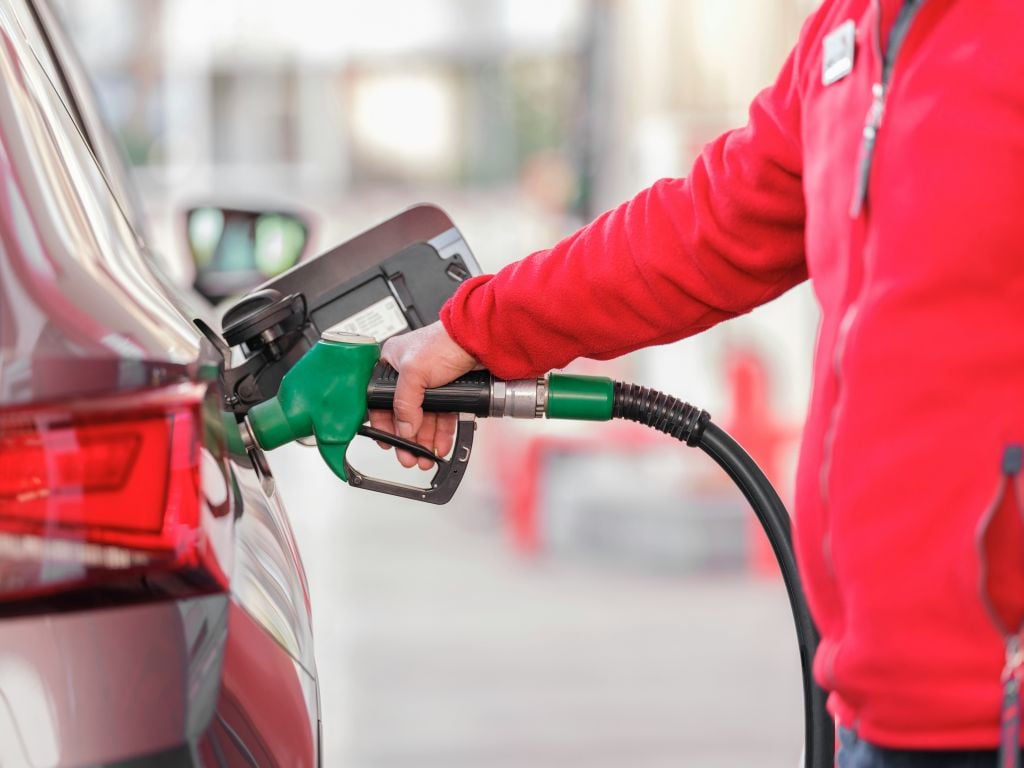
Petrol rose by R1,34 a litre on 2 September, adding R67 to a 50-litre fill. For a household filling that amount four times a month, that is another R268 before travelling a single extra kilometre.
“Work out what the car will cost to keep on the road before deciding what you can spend buying it,” says Mike Pashut, CEO and Founder of CHANGECARS, who has more than 30 years of automotive experience. “Your budget needs room for an expensive month.”
Safe and inexpensive cars for students - click here
Start with your driving. At September’s inland 95 petrol price of R26,92 a litre, travelling 1 500 kilometres in a car using 7,0 l/100 km costs about R2 827. At nine litres, the same distance costs about R3 634. That R808 difference should be part of your buying decision. Treat advertised consumption as a comparison tool and investigate realistic consumption for your commute.
Before signing, obtain an insurance quote for the exact model and ask about excesses, tracking requirements and cover for your intended use. Get prices for replacement tyres and the next major service. For a used car, arrange an independent inspection and verify its service history. A roadworthy certificate does not tell you everything about its mechanical condition or future repair needs.
“A discount can disappear quickly if the car immediately needs tyres, overdue servicing or repairs,” says Pashut. “Ask what work is due next, and get the answer in writing.”
Finance deserves the same scrutiny. Compare the deposit, interest rate, repayment period, fees, total repayable and any final balloon payment. A lower instalment achieved by extending the term or leaving a large balance for later can postpone the affordability problem. If replacing your current car, request its settlement figure before assuming the trade will clear your debt.
There are distinctions behind the latest motoring headlines. The Road Accident Fund (RAF) levy rose by seven cents to R2,25 a litre in April. A separate charge linked to vehicle registrations and licence renewals has been proposed, while Gauteng has published draft increases to its own vehicle fees.
Paying the RAF levy does not insure your car against damage. The fund deals with qualifying injury and death claims, so motorists still need to understand their insurance protection.
Licensing announcements also require care. Cabinet’s approval of longer validity for driving licence cards should not be treated as an automatic extension of the expiry date on your existing card. Check official renewal requirements. With AARTO’s rollout facing scrutiny, verify any infringement through official channels and use the applicable payment or dispute process; headlines about challenges are no reason to ignore notices.
Starting or expanding your business and in need of a bakkie – click here
“When money is tight, ask a qualified workshop to separate urgent safety work from items that can wait,” says Pashut. “Do not stretch worn tyres or ignore a braking problem to make the monthly figures work.”
Proposed stronger vehicle safety standards reinforce another buying question: what protection is fitted to the exact derivative you are considering? Check airbags, stability control and relevant crash tests, and ask the manufacturer to check for outstanding recalls using the vehicle identification number.
For everyday savings, combine trips, drive smoothly and maintain the manufacturer’s recommended tyre pressures. Before September travel, check tyres, lights, wipers and brakes, secure every passenger properly and arrange a sober driver. Protecting the household budget includes protecting the people travelling with you.
Michael Pashut