

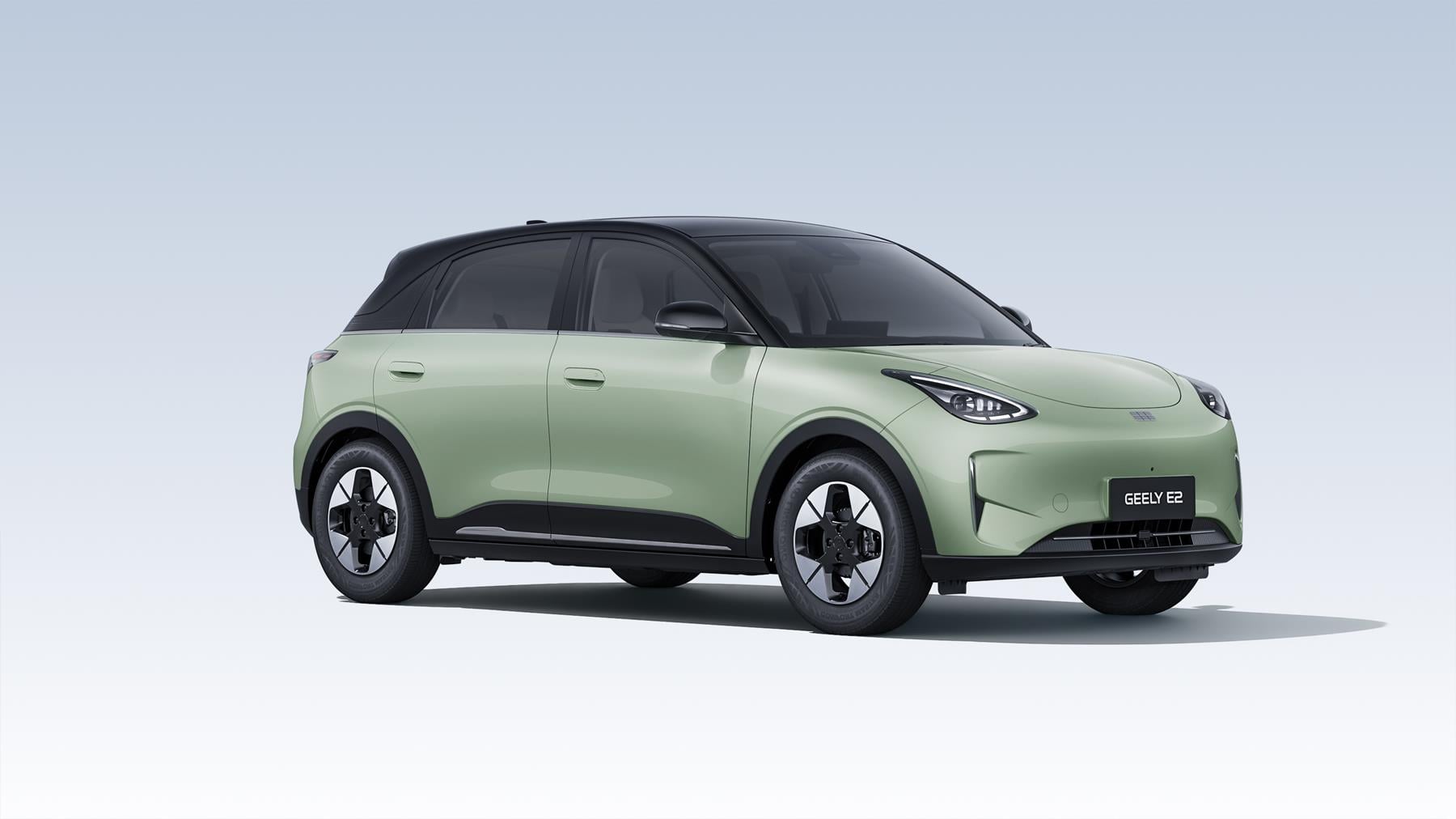
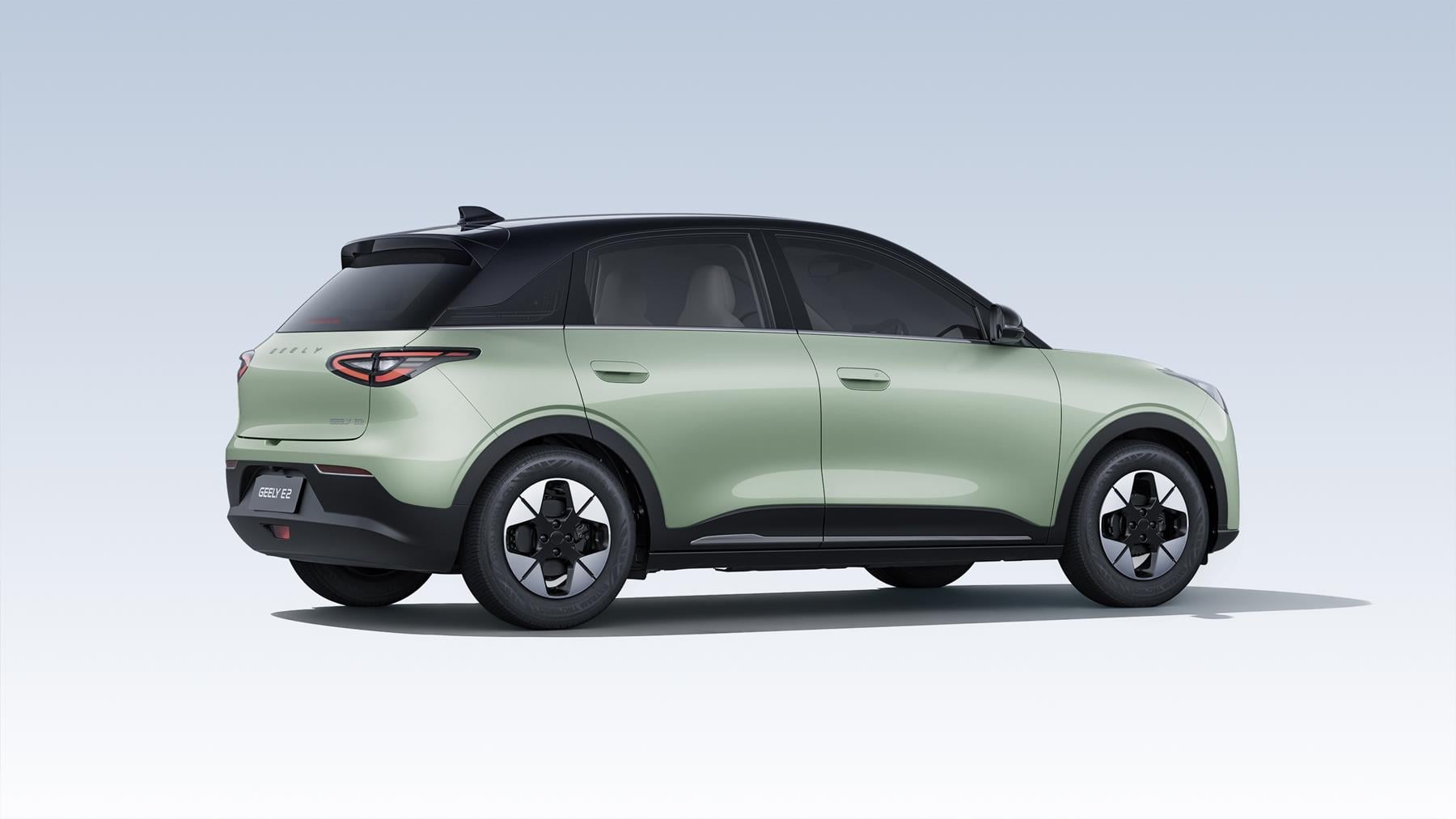
After an unplanned test drive in the Mother City, my wife and I were totally sold on the idea of owning a Geely E2. The not so little Geely E2 wraps around and you become one with the car. My extra cautious driving nature that normally surfaces when driving newer vehicles was nonexistent on the test drive.
I found myself phoning around to see where I could find one of these elusive full electric Geely E2 vehicles that were being sold directly off the trucks on arrival at dealerships. Two months later my wife took delivery of her (ie now my) new Geely E2 in Durban. Suddenly the critical analysis of the smallest spot in the car park was gone. No more three point turns in the driveway anymore. You become super confident in your silent luxurious go-cart, as if you are playing on your PS5 and you can always restart the game if you get it wrong.
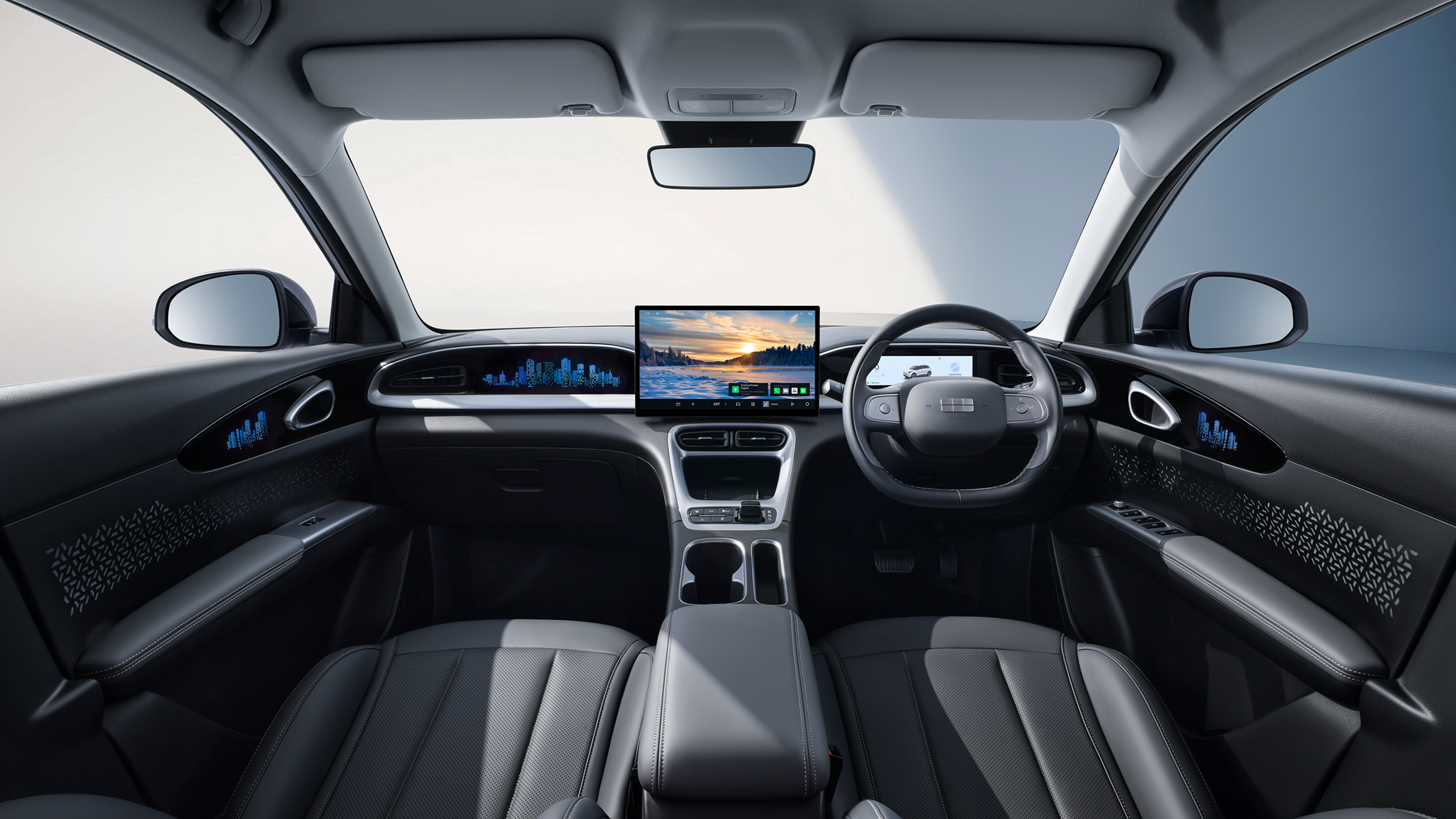
Straight up, I will tell you what you need to know. It is an amazing vehicle for the price. The composed comfortable ride, numerous features, soft touch seats, large infotainment screen and exceptional camera quality will easily fool you into thinking it is a far more expensive vehicle.
You can create your own story in a Geely E2 - just click here
Geely Durban supplied us with the top spec Apex model at a total cost of R395 900 on the road, with smash and grab. The deal included a home wall box charger, an emergency charger with a normal 15 amp three pin plug for direct home charging and a Charge voucher with a value ranging from R3 000 to R7 000 depending on your financing/purchase option. The vehicle comes with a 4-year/ 150 000 km warranty, a 5-year /100 000 km service plan and an 8-year/ 200 000 km warranty on the battery.
How popular is the Geely E2 you ask? More than 800 000 units sold in China since 2024. But isn’t it too early to tell the reliability? Not really as I hear the E-hailers in China are already doing more than 200 000 km with 2024 models. So, what are you waiting for?
But first a little bit about myself. I have been interested in cars all my life, having owned more than 120 vehicles ranging from Toyota Hi-Aces, classic Ford Cortinas, Corollas to the luxury German brands such as Mercedes, BMW and Porsche. As a hobby, I have worked on most of the older cars myself. So yes, I am a car guy who loves anything to do with vehicles.
I recently made a round trip with the E2 to the Wild Coast. The purpose of this article is to share with the average man on the street, like me, a real-life experience, focusing on the vehicle’s kW/h consumption and cost, as that is the unchartered territory for us entering this era of Battery Electric vehicles (BEV’s). Nothing speaks better than the actual experience instead of wondering about the manufacturer’s claims in different driving conditions.
The figures listed below are accurate as per my actual experience. What I want to tell you (without using fancy words and Chat GPT etc.) is the knowledge I have gained in terms of kW/h consumption, charge rates using various types of chargers, charging cables required and the vehicle’s range capabilities, so that you may make an informed decision if you are considering purchasing a Geely or a similar BEV (should you decide to forgive Eskom and be friends again).
So, can the vehicle achieve a range of 325 km (as indicated when fully charged) on a single charge when driven normally in and around town? I can confirm it can achieve a range of 300 km. I have done it twice so far. It is achievable with the regen system working very well while braking or trundling downhill dodging the potholes and wondering about the health of your Ling Long tyres (they are really nice tires for this car). So as a mom’s taxi on the daily school runs and shopping routine, you will not need to charge the vehicle more than once a week.
Can I afford it – find out with this handy Finance Calculator
Here are the stats from my 537 km trip on the freeway.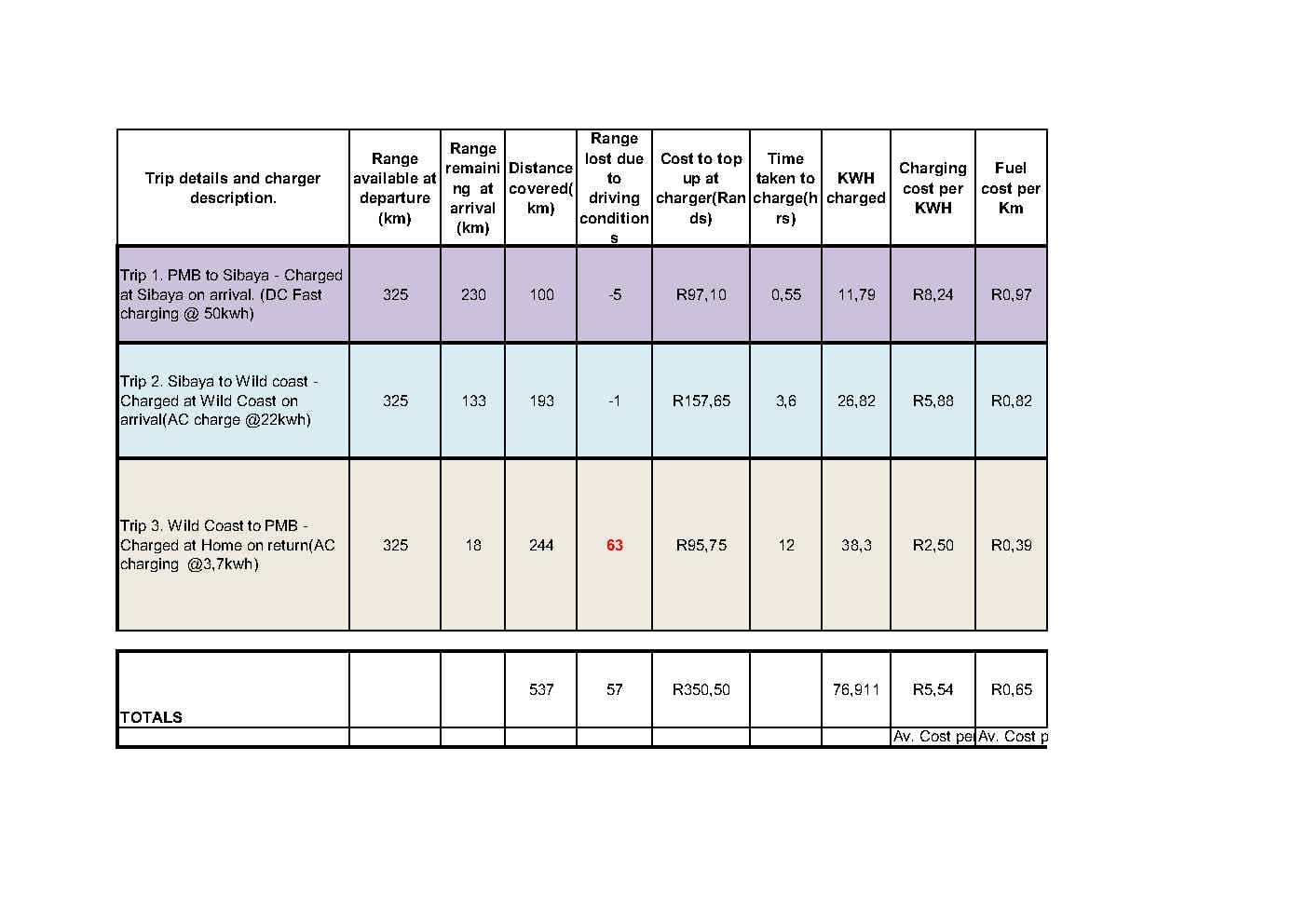
THE FACTS
The car is clearly designed to be an urban runabout and not a family highway cruiser. A 300 km range on a single charge is achievable locally. For 300 km on a home charge costing R98,50 (R2,50 per kW/h in PMB) the cost per km would be 33c per km to run (charging cost only). By comparison, you would need to have a petrol vehicle sipping 1,35 l/100 km to match this.
For my trip on the freeway,
· The average cost per km, charging at various rates, yielded an average rate of 65c a km which is equivalent to 2,63 l/100 km in a petrol vehicle.
· Only the driver and one passenger were in the vehicle, and exceeding speeds of between 105 km/h and 130 km/h only when overtaking, which the car does effortlessly.
· It was a cool day, and the air-conditioner was not used.
Great insurance is a safety net you really need – click here to find out more
THE VERDICT
My conclusion is for freeway use, with a full charge, the car is realistically great for making a trip with a maximum distance of 200 km (At a speed of 100-110 km/h) before stopping to re-charge. Anything more than that is too risky. Having to slow your speed down to below 90 kmh. on the freeway to try and preserve your battery is not safe. In an attempt to preserve battery power and manage the range, I started to hesitate to overtake other slower vehicles such as trucks.
The range decreases substantially more than actual distance covered dependent on speed and terrain. At 105 km/hr on the uphill trip from Wild Coast to PMB, for every 100 km covered, the range on your dashboard computer decreases by 125 km while the computer re-calculates automatically. So, you cannot rely on the range available that is initially shown on your screen to complete your trip. For this reason, you need to factor in a safety percentage of 25%. Range anxiety becomes a reality on a trip longer than 200 km on a slight uphill run. Adding more passengers and using the air-conditioner will also impact on the range. Hence, I am saying keep the distance between charging points to a maximum of 200 km when on the freeway.
Do not get me wrong, with proper planning and adequate charging infrastructure you can use the car comfortably on the freeway. My intention is to share my experience to illustrate the realistic capability of the vehicle in a real-life situation to avoid the dreaded range anxiety and placing you and your family in an unnecessary dangerous situation of being stranded alongside the road.
The vehicle has all the tech you really need, with an infotainment screen that will almost humble your laptop. The E2 is spacious (slightly bigger than the VW Polo all round), and it is extremely comfortable. Boot space will be adequate for four people on a short weekend getaway because you have the front trunk as well. The rear wheel configuration allows for this additional space, fondly known as the frunk. And you can also store some luggage under the rear seats in the vehicle as well.
So, in summary, it is an awesome vehicle more suited to suburban travel and extremely cheap to run. I really doubt it will ever be possible for me to go back to an ICE vehicle for my local needs.I’ve found my peace and quiet.
VERY IMPORTANT: The fast chargers are equipped with thick power cables which fit directly into your two ports for DC charging on all vehicles.
However, when you get to public charging stations with chargers rated around 22kw, like the one at Wild Coast, most hotels, and various malls, you will need to have a special cable known as a Type 2 to Type 2 EV charging cable. You will not be able to use the cable the car comes with. I know this because my other vehicle is a Haval GT PHEV, which requires the same cable, and I found out the hard way. So, I bought mine from a company called EV Charge online. Their service and range of cables, as well as quality of cable storage bags are excellent. You can use this cable to charge any BEV/PHEV at the AC chargers.
Biggs Reddy (Pr. Techni Eng)