

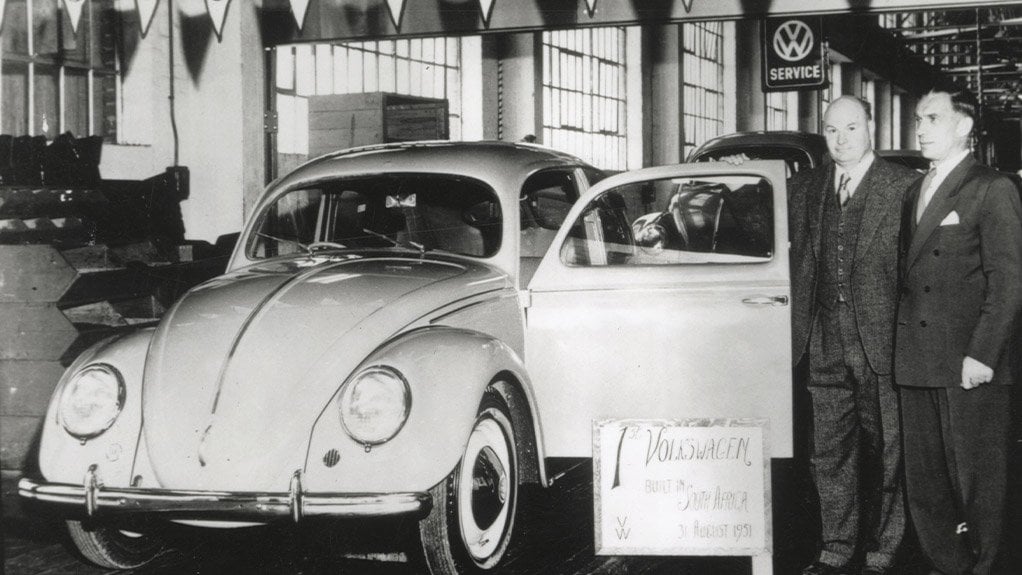
For 75 of the 222 years since Uitenhage (now Kariega) was established, Volkswagen has been part of the town's industrial landscape.The Eastern Cape manufacturing hub, founded in 1804, has hosted the German automotive brand since 1951, when the first Beetle rolled off the assembly line at what was then the South African Motor Assemblers and Distributors (SAMAD) facility.
The SAMAD factory initially assembled multiple brands, including Studebaker and Austin models, alongside Volkswagen vehicles. The first locally produced Beetle emerged on August 31, 1951, marking the beginning of continuous production that would span three-quarters of a century.
You are just one click away from finding the very best finance deal for your new car
By 1955, the factory had introduced the Type 2 — commonly known as the Kombi — which further established Volkswagen's presence in the domestic market. The Kombi would become a familiar sight on South African roads, particularly favoured by small businesses and families requiring versatile transport.
The plant's early years saw production of the Beetle in various iterations, with the model remaining in production locally until 1979. The Golf Mk1 entered production in 1978, followed by the Citi Golf in 1984 — a model that would achieve iconic status in South Africa and remain in production until 2009, long after it had been discontinued in other markets.
German parent company Volkswagenwerk acquired a controlling stake in the factory in 1956, establishing its first manufacturing facility outside Germany. The operation was renamed Volkswagen of South Africa in 1966 and became a wholly-owned subsidiary of Volkswagen AG in 1974.
The company rebranded as Volkswagen Group Africa (VWGA) in 2025 to reflect its continental ambitions, with the Kariega plant serving as headquarters for Region Africa, overseeing assembly operations in Kenya, Rwanda and Ghana.
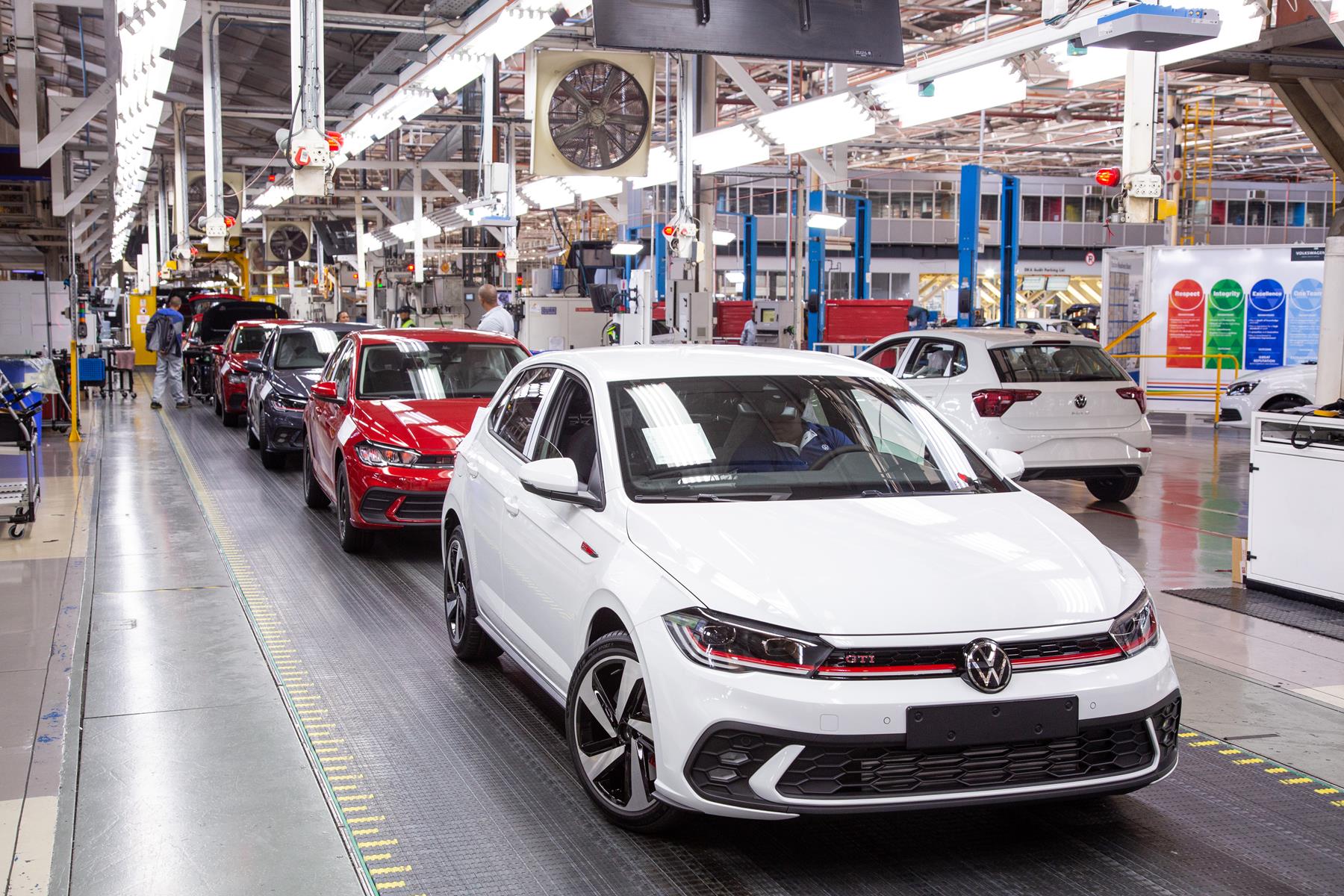
To date, Plant Kariega has manufactured approximately 40 models, including the Beetle, Kombi, Golf, Audi, Citi Golf, Jetta, Polo and Polo Vivo. More than 4,8-million vehicles have been produced at the facility, with 3-million destined for the local market.
All you could ever want from Volkswagen right here - just click
The plant currently serves as the sole global exporter of the Polo and produces the Vivo. A third model, the Tengo, is scheduled to join the production line-up.
Volkswagen's history in South Africa includes notable labour practices during the apartheid era. In the 1980s, the company trained black artisans at a time when segregation laws applied outside the factory gates. The company worked with figures such as John Gomomo, who became one of the first shop stewards at Volkswagen and later served as a member of Parliament. These efforts contributed to the development of union representation at the company.
Since 1994, Volkswagen has invested approximately R800-million in community projects through the VW Community Trust and various partnerships. During the Covid-19 pandemic in the early 2020s, the company established a field hospital and vaccination centre and funded upgrades to the National Health Laboratory Service testing laboratory.
The company marked its 75th anniversary with a gala dinner and In his address, President Cyril Ramaphosa said many South Africans associate Volkswagen cars with personal memories, adding "this brand is so woven into our culture that we sometimes have to remind ourselves that Volkswagen is not a South African vehicle."
VWGA Chairperson and Managing Director Martina Biene said the company's roots in the Eastern Cape provide a foundation for expansion across the African continent. "As the second-oldest vehicle brand in South Africa, there are not many companies that can say they have been operating in one place and delivering quality products for 75 years," she said.
Thomas Schaefer, CEO of the Volkswagen brand globally and former Managing Director of Volkswagen Group South Africa, described the Kariega plant as representing "quality, competitiveness and a clear commitment to performance."
He added: "South Africa is far more than a manufacturing base for Volkswagen. It is the strategic anchor for our business in Africa and an important part of our global success story."
Colin Windell for Colin-on-Cars in association with
proudly CHANGECARS